
KI’S ARCHIVE · CHINA
China: Dunhuang
Ten days deep in the Gobi Desert, chasing the Silk Road through Dunhuang's caves and dunes.
Dunhuang
·
5
min read
Why Dunhuang
Dunhuang sits at the edge of the Gobi Desert in Gansu province, right where the old Silk Road split to go around the Taklamakan Desert. It is one of those places that sounds mythical until you are standing in it: sand dunes that tower over the edge of town, Buddhist cave paintings that have survived more than a thousand years, and a night market that feels like the whole city turns up at once.
It is remote, and that is part of the appeal. You will not stumble onto it on a typical China itinerary. But if deserts, the Silk Road, or Buddhist art interest you at all, it earns the detour.
Before You Visit
Late autumn is a good window. We visited in November, with sunrise around 7:50am and sunset around 7:36pm, cool mornings, and clear skies. Dunhuang sits in the desert, so expect big swings between day and night temperatures and wind on most days, enough that you will want eye protection against blowing sand.
Dunhuang itself does not need as long as the rest of a Gansu trip might. Two to three full days is enough to see the main sights without rushing, which is why the itinerary below is built around three days.
The currency is the Chinese yuan (RMB), and the city runs on Mandarin, so a translation app is genuinely useful here, more than in Shanghai or Beijing. Before you land, set up Alipay with an international card and verify your identity. China is extremely QR-code heavy, and having this ready before you arrive makes everything from taxis to museum tickets easier. WeChat Pay is worth setting up as a backup. Also get an eSIM sorted before arrival. A roaming or eSIM connection makes it much easier to access the apps you are used to than relying on local wifi, since a mainland Chinese SIM or wifi connection restricts a lot of Western services.
Getting to Dunhuang
Dunhuang has its own airport, with domestic connections through hubs like Beijing, Xi'an, and Lanzhou, which is the most practical way in for most travelers. There is also a rail line into Dunhuang itself, though many travelers still route through Liuyuan station further out and finish the trip by road or a shorter connecting train, depending on the route. Check current routes and schedules closer to your trip, since domestic China flight and rail schedules shift seasonally.
However you arrive, book your airport or station transfer in advance or have your hotel arrange one. Taxi availability right at the airport can be inconsistent, and having your hotel's name and address saved in Chinese characters, not just English, makes the handoff a lot smoother.
Where to Stay
We looked at three hotels while planning, each with a different trade-off.
Dunhuang Hotel (敦煌宾馆) has somewhat hard beds but is a solid, central place to sleep, walking distance from most things in town, and affordable. We stayed here ourselves, and the experience wasn't bad at all! The main thing worth flagging is that our room smelled a bit like cigarettes, but that was really the only complaint.
The Silk Road Dunhuang Hotel (敦煌山庄) is probably the nicest location of the three. It costs more than the others, but it sits right next to the dunes, which makes it the most convenient option if you want an early sunrise start without a long drive beforehand.
Four Points by Sheraton Dunhuang is the most reliable pick simply because it is a known chain brand. Good breakfast, and still a convenient walk into the city.

Front of the hotel.

The room we stayed in with two beds
Things to Do
Mingsha Mountain and the Singing Sand Dunes are the dunes everyone comes for, right at the edge of the city. Go for sunrise or sunset if you can. Midday sun on sand this exposed is brutal, and the light is much better at the edges of the day.

Mingsha Mountain.
Mogao Caves are the reason Dunhuang shows up in history books. Hundreds of Buddhist grottoes carved into a cliff face, many still holding original murals and sculpture that date back over a thousand years. Plan at least a couple of hours here, and expect timed entry to a limited set of caves rather than free roaming.

The temple at Mogao caves
Shazhou Night Market is the easiest, most fun way to spend an evening in town. Food stalls, local snacks, and a genuinely lively crowd. Worth visiting more than once if you have the nights for it.

Shazhou Night Market.
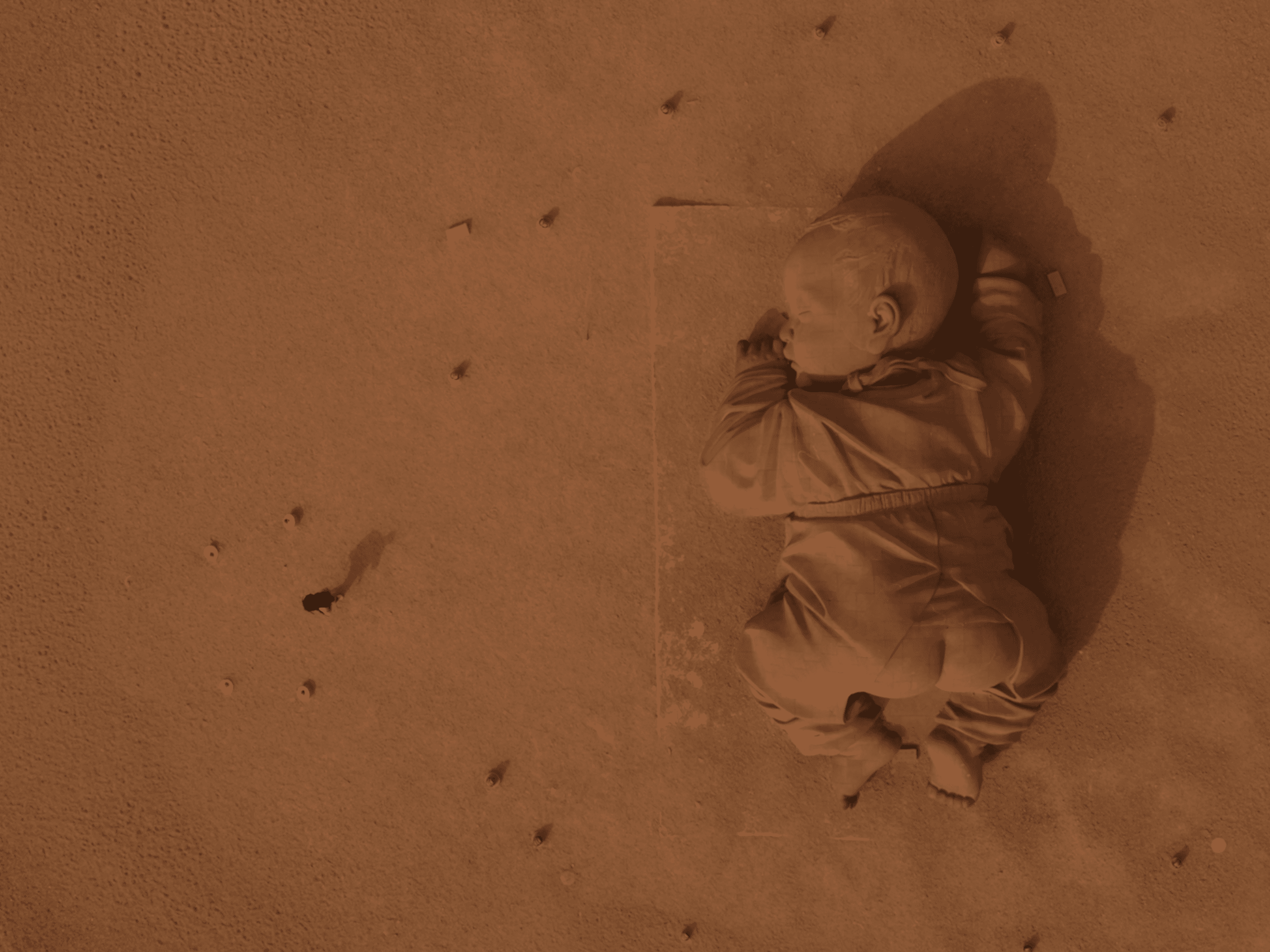
A handful of other spots round out the area if you have more time: Yumen Pass Scenic Area and Yangguan Cultural Relics Scenic Area, both historic frontier checkpoints along the old Silk Road, the Han Great Wall site, the Western Thousand Buddha Caves (西千佛洞), a smaller and quieter cave complex than Mogao, and Son of the Earth (大地之子), a large sculpture out in the desert that is worth the stop if you are already headed that way.
Yadan Geological Park is further out and known for its wind-carved rock formations. You will need to take the park's bus tour to see it properly, since the formations are spread across a wide stretch of desert.

Yadan Geological Park.
3-Day Itinerary
This groups the sights geographically so you are not criss-crossing the desert more than you need to.
Day 1: Town and dunes. Settle in, then head to Mingsha Mountain for sunset over the dunes. Finish the night at Shazhou Night Market.
Day 2: Mogao Caves and the city. Spend the morning at Mogao Caves, which takes a couple of hours and is best done without rushing. Use the afternoon to explore the city center, then head back to the night market or relax at your hotel.
Day 3: The far desert. This is the long day. Head out to Yadan Geological Park, and combine it with nearby stops like the Han Great Wall site, Yumen Pass, or Yangguan depending on how the timing works out, since they are all roughly in the same direction out of town. Keep this day flexible since drive times out here add up quickly.
If you have a fourth day, the Western Thousand Buddha Caves and Son of the Earth are good additions that do not need a full day on their own.
Essential China Travel Tips
Download these four apps before you go: Alipay, which is what you use to pay for nearly everything, Didi for taxis, WeChat for communication, essentially China's WhatsApp, and Baidu Maps (百度地图), which is the local equivalent of Google Maps. Google Maps and Apple Maps do not really function here, and locals leave their reviews on Baidu, so it is also the better tool for finding food.
Set up Alipay before you land, with your international card added and your identity verified. Keep WeChat Pay as a backup. Get an eSIM before arrival so you can stay connected to apps you normally use, and download anything important for offline use ahead of time.
Save your hotel's name and address in Chinese characters, not just English, since that is what you will need to show taxi drivers or locals if you need directions. This matters more here than in bigger cities like Shanghai or Beijing.
For translation, Google Translate works if you have connectivity, so download Chinese offline beforehand just in case. Camera translation is genuinely useful for menus, signs, and ticket machines. Alipay also has built-in translation features worth knowing about.
Getting Around
Taxis are the main way to get around, and Didi is the easiest way to call one. For the farther sights like Yadan Geological Park, Yumen Pass, or Yangguan, a private driver or a half-day car hire is worth arranging in advance, since these spots are spread out and public transit does not really reach them.
What to Pack
Dunhuang is windy most days, so pack accordingly. Goggles or sunglasses that seal well against blowing sand are worth having, along with a scarf or buff you can pull over your face at the dunes. Bring sunscreen and lip balm, since the desert sun and wind are a rough combination, and comfortable boots that you do not mind getting sand in.
If you are bringing a camera, plan for sand. A rain cover or dry bag protects gear from blowing sand better than you would expect, and it is worth packing a cloth to wipe down lenses regularly, especially at the dunes.
Final Thoughts
Dunhuang rewards a bit of extra planning. It is far from most of China's usual stops, the desert makes logistics slower than they look on a map, and a few of the best sights need advance booking or a private driver to reach. But between the dunes, the caves, and the night market, it is one of the more memorable stops we have made on the Silk Road, and worth building a few extra days around.

Keep Reading

Guide
Photographing Holi in India
Three days inside Holi in Barsana and Nandgaon: what happened, how I photographed it, and what I'd want to know before going back.

Dispatch
I Took a 14-Hour Soviet Sleeper Train From Romania to Moldova
A 45-minute flight would have been easier. I chose the 14-hour overnight train instead. The one where they lift the entire train off its wheels at the border.

Dispatch
The Blue Caves of Albania
A boat-access-only stretch of Albania's coastline with hidden beaches, sea caves, and some of the bluest water I've ever seen.
Keep Up With The Archive
New films, places, field notes and the occasional trip worth getting on a plane for.
No spam. Unsubscribe anytime.