KI’S ARCHIVE · GEAR
Freewell 3–5 Stop Magnetic Variable ND Filter Review
Freewell sent me their 3–5 stop magnetic variable ND filter to test. After taking it across Europe, here is why it earned a permanent spot in my camera bag.
Filmmaking gear
·
5
min read
Shop the Filter →
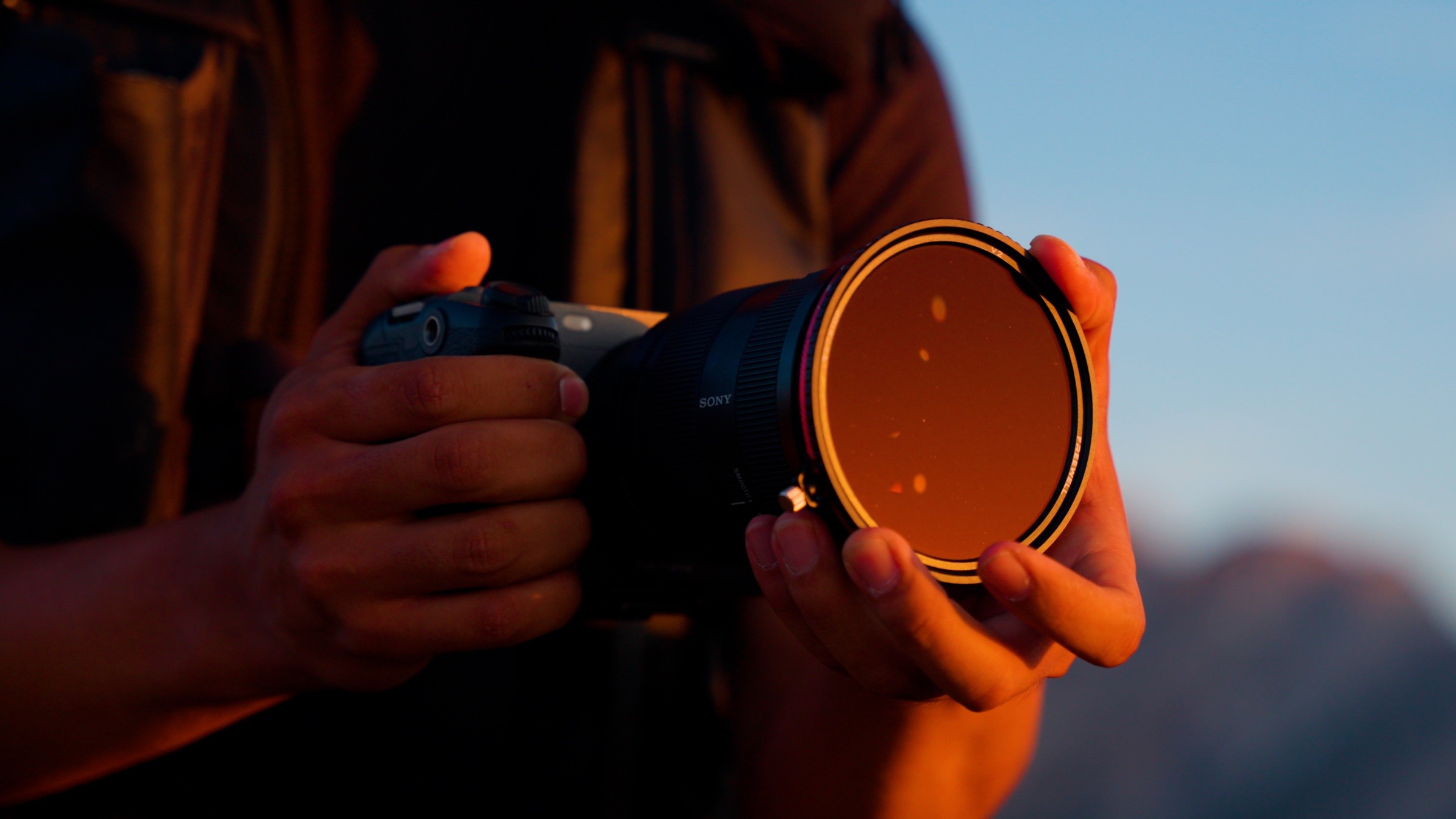
A few weeks ago, my friends at Freewell sent me their 3–5 stop magnetic variable ND filter to test. Since then, it has been with me across Europe.
I expected a good ND filter. What I did not expect was how much the magnetic part would change the way I shoot.
The thing that sold me is not simply that it is an ND filter. It is how quickly I can put it on and take it off while traveling.
This is the guide I promised if you commented “ND”. I will keep it practical: what an ND filter does, why I use this one, and who I think it actually makes sense for.
What does an ND filter actually do?
Think of an ND filter as sunglasses for your camera.
It reduces the amount of light reaching your sensor without changing the way the image looks. That matters because in bright conditions, you often cannot keep the settings you want. Either the aperture has to close down, or the shutter speed has to get much faster.
With an ND filter, I can keep the aperture I want for shallow depth of field, and the shutter speed I want for natural motion blur, even when it is bright outside.
That is really all it is. You are trading light for control.
THE FILTER I USE
Freewell 3–5 Stop Magnetic Variable ND
A magnetic, snap-on ND with a built-in polarizer. It is the one that lives in my camera bag.
View the Filter →
Why I switched to a magnetic ND
I shoot run and gun, and a lot of my work happens while traveling. Light changes fast, and I am rarely standing still for long.
I am also a hybrid shooter. One minute I am filming, the next I want to take a photo. With a traditional threaded filter, that can mean unscrewing the filter every time I switch.
With this Freewell system, it just snaps on. Taking it off takes seconds.
That sounds small on paper. In the field, it is the reason the filter actually gets used instead of staying in the bag because I could not be bothered to thread it on.
Why 3–5 stops works so well for me
With 3 to 5 stops of adjustment, I can quickly dial in my exposure while keeping the exact aperture and shutter speed I want.
In bright outdoor conditions, that means I can stay wide open for a shallow depth of field and still hold a cinematic shutter speed. When a cloud rolls in, I make a small adjustment instead of rethinking my whole setup.
For fast travel workflows, having that range in one filter keeps things simple.
It also suits the way I shoot. I shoot a ton of 24 and 25 fps at 4K, which keeps my shutter speed sitting around 1/48 to 1/50 for natural motion blur.
In bright light, that is exactly where the ND has to earn its keep. Having 3 to 5 stops of range covers most of the sunny situations I run into at those settings, so I am not reaching for a different filter every time the light shifts.
The built-in polarizer
The filter also has a built-in polarizer, which can help cut reflections.
When I am shooting near water or through glass, that can help create a cleaner image straight out of camera. It will not fix every situation, but it is one less thing to carry and one less thing to attach.

Adding mist for a softer look
If you have compatible Freewell mist filters, they can clip on with the magnetic system too.
I like using mist creatively. It softens highlights, takes a little of the clinical edge off digital footage, and adds a bit of atmosphere. It is a subtle effect, and I use it when the scene calls for it.

Getting the image right in camera is the first half of the look. The second half is how you finish it in post.
THE LOOK
Like the colors in this story?
The same color tools I use across my travel films and Ki’s Archive are available in my LUT collection.
EXPLORE MY LUTS →
Build quality and real-world image quality
The filter feels premium in the hand. It has felt reliable while traveling, and it has made shooting in the field simpler.
I have not noticed an obvious color cast in my real-world use. I have not run lab tests, so this is just my experience shooting with it on the road.
Who I think this filter makes sense for
This setup makes the most sense if you are:
A travel filmmaker
A run-and-gun shooter
A creator working outdoors
A hybrid photo and video shooter
Someone who moves between changing lighting conditions often
If you rarely shoot in bright light, you may not need it. It is not essential for everyone.
Final thoughts
After traveling with it across Europe, what sold me was not simply the ND itself. It was how much friction the magnetic system removed from shooting.
When you are moving quickly, small things matter. If a piece of gear lets me think less about the gear and more about the shot, it usually stays in my camera bag.
This one has. If you want more filmmaking guides and gear notes, browse my resources page.
Freewell sent me this filter to test. This page contains affiliate links, which means I may earn a commission at no extra cost to you. As always, the thoughts here are based on my own experience using it.

Keep Reading

Guide
Photographing Holi in India
Three days inside Holi in Barsana and Nandgaon: what happened, how I photographed it, and what I'd want to know before going back.
Dispatch
China: Dunhuang
Ten days deep in the Gobi Desert, chasing the Silk Road through Dunhuang's caves and dunes.

Dispatch
I Took a 14-Hour Soviet Sleeper Train From Romania to Moldova
A 45-minute flight would have been easier. I chose the 14-hour overnight train instead. The one where they lift the entire train off its wheels at the border.
Keep Up With The Archive
New films, places, field notes and the occasional trip worth getting on a plane for.
No spam. Unsubscribe anytime.