
KI’S ARCHIVE · TOKYO
Park Hyatt Tokyo: Restored, Not Reinvented
Park Hyatt Tokyo just finished a 19-month renovation. I stayed after it reopened to see how much of the original, Lost in Translation-era hotel survived the restoration.
Shinjuku, Tokyo
·
6
min read
Park Hyatt Tokyo has been on my list for a long time, mostly because of a movie I watched more times than I should admit.
It opened in 1994, sitting on the upper floors of Shinjuku Park Tower, and a decade later it became the hotel from Lost in Translation. That association has followed it ever since, and honestly, it is part of why I wanted to stay here.
But the reason I am writing this is not really the movie. It is that the hotel just went through a 19-month renovation, reopening in December 2025, and the people behind it made a choice I respect: they restored it instead of reinventing it.
Why Park Hyatt Tokyo is different
Most hotel renovations exist to announce themselves. New lobby, new palette, new everything, so guests know money was spent.
This one does not do that. The original identity, the John Morford interiors that made the hotel feel more like a quiet, high-rise residence than a hotel lobby, is still here. What changed is underneath it: infrastructure, rooms, systems. What stayed is the feeling.
What changed, and what stayed
The design studio Jouin Manku, led by Patrick Jouin and Sanjit Manku, handled the renovation. Their work updated the 171 rooms and suites and refreshed the interiors without erasing Morford's original language.
You can feel both hands in the building now. The bones are the same maze-like, residential Tokyo of the 90s. The finishes are new.
Arrival and the walk in
You do not really arrive at Park Hyatt Tokyo so much as you get slowly delivered to it. The hotel occupies the top floors of the tower, and getting to the lobby means a quiet elevator ride up, away from the street level entirely.
Once you are up there, the hallways have this dim, hedge-maze quality to them. It is disorienting in a good way. Instead of a wide hotel corridor, it feels closer to walking through a private, oversized apartment.
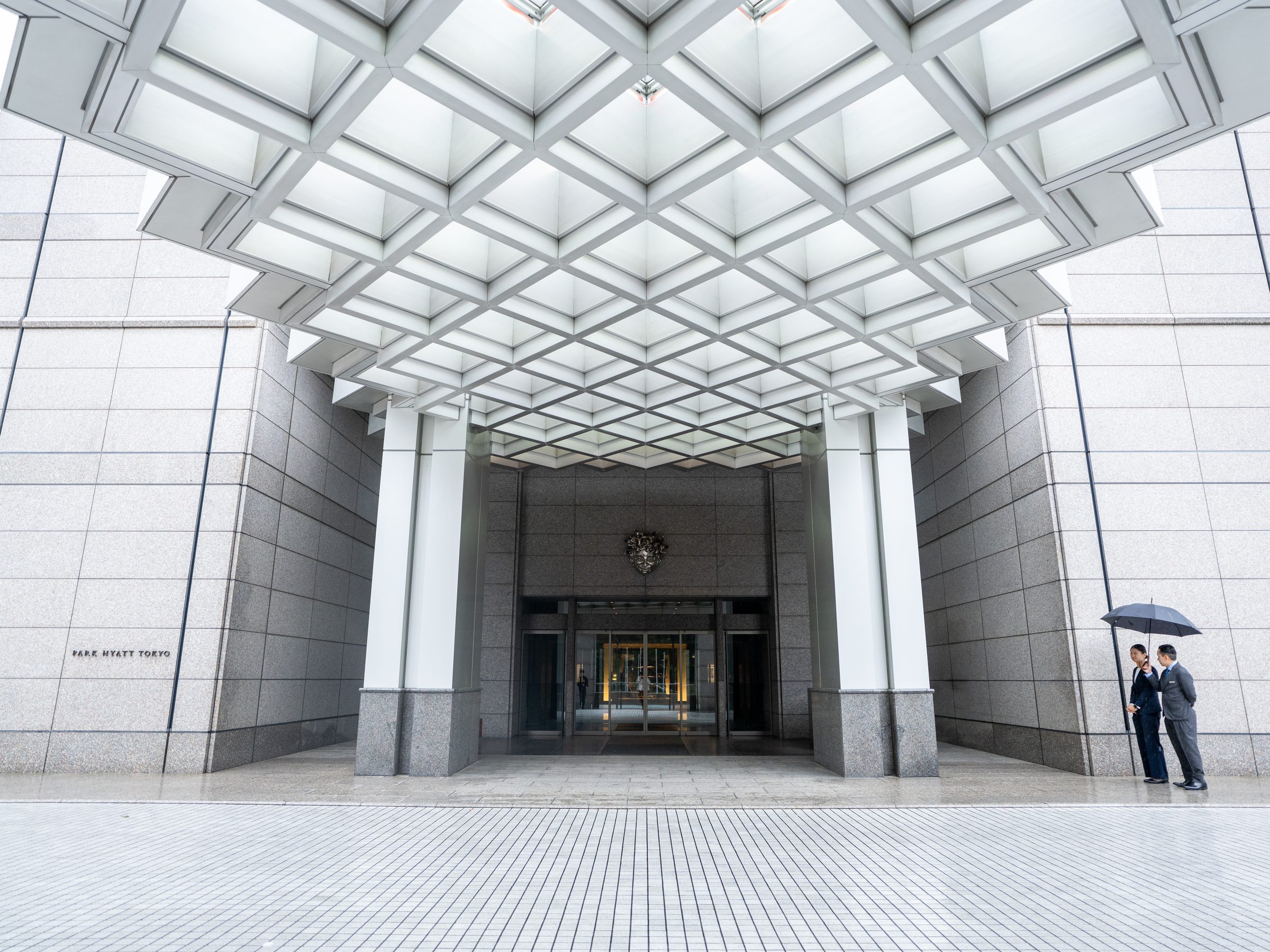
Arrival / lobby.
The room and the view
The rooms are where the renovation shows up most directly. Everything felt new without feeling generic, which is a hard balance to strike in a hotel this recognizable.
On a clear day, you can see Mount Fuji from the higher floors. I did not get lucky with the weather every day, but the one clear morning I had was worth the wait.
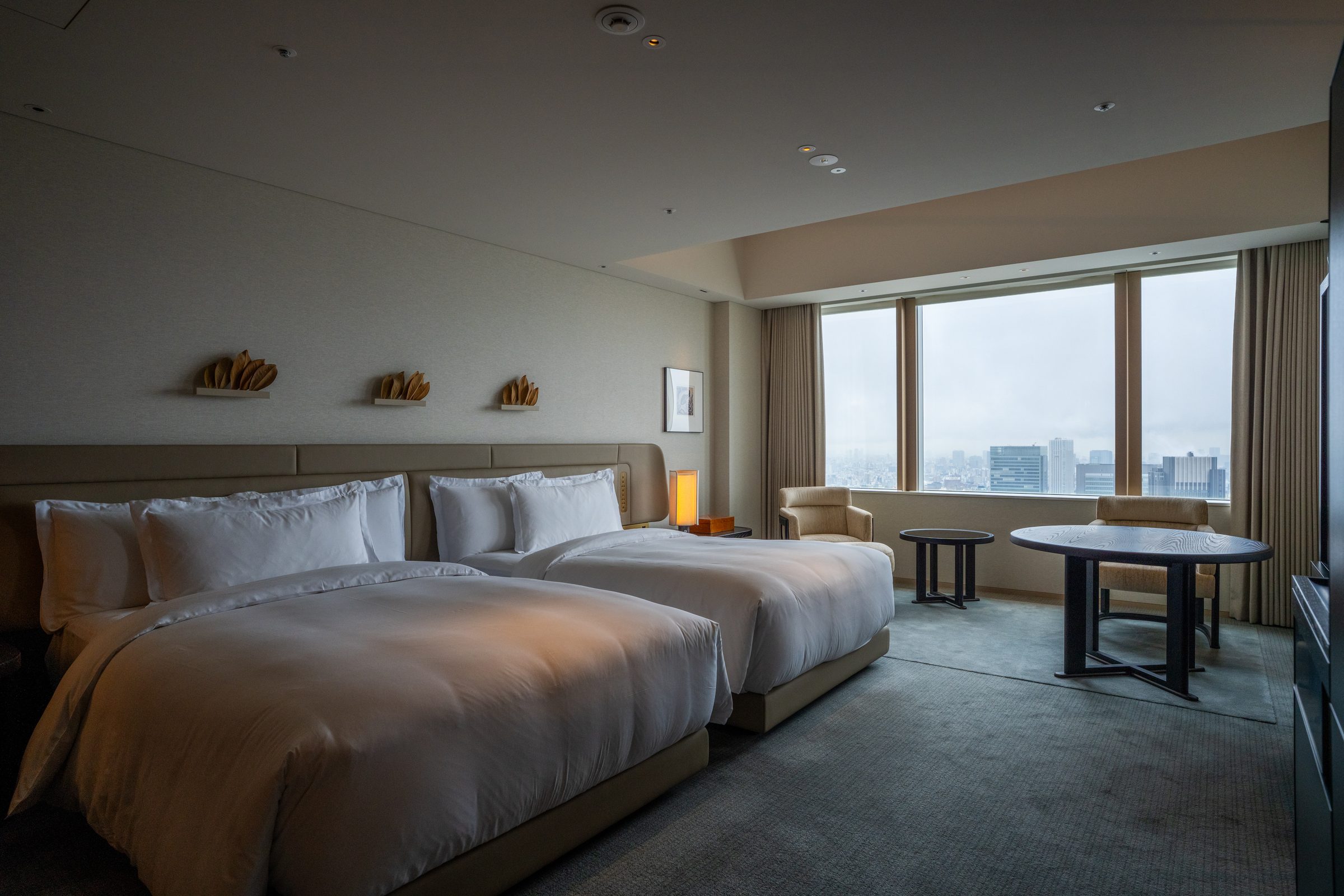
The room.
Breakfast at Girandole
Breakfast turned out to be one of the most consistently great parts of the stay. The buffet at Girandole was enormous and genuinely good, not the kind of spread where half of it is just sitting there for show. Everything I tried tasted like someone actually cared about it.
There is also a full menu if you would rather order than graze, with a strong lineup beyond the buffet. I got the dish the hotel lists as its signature poached eggs, the one I had heard people call the "Hyatt special," served with a miso ponzu truffle hollandaise. It was phenomenal, worth setting an alarm for.

Dinner at Kozue
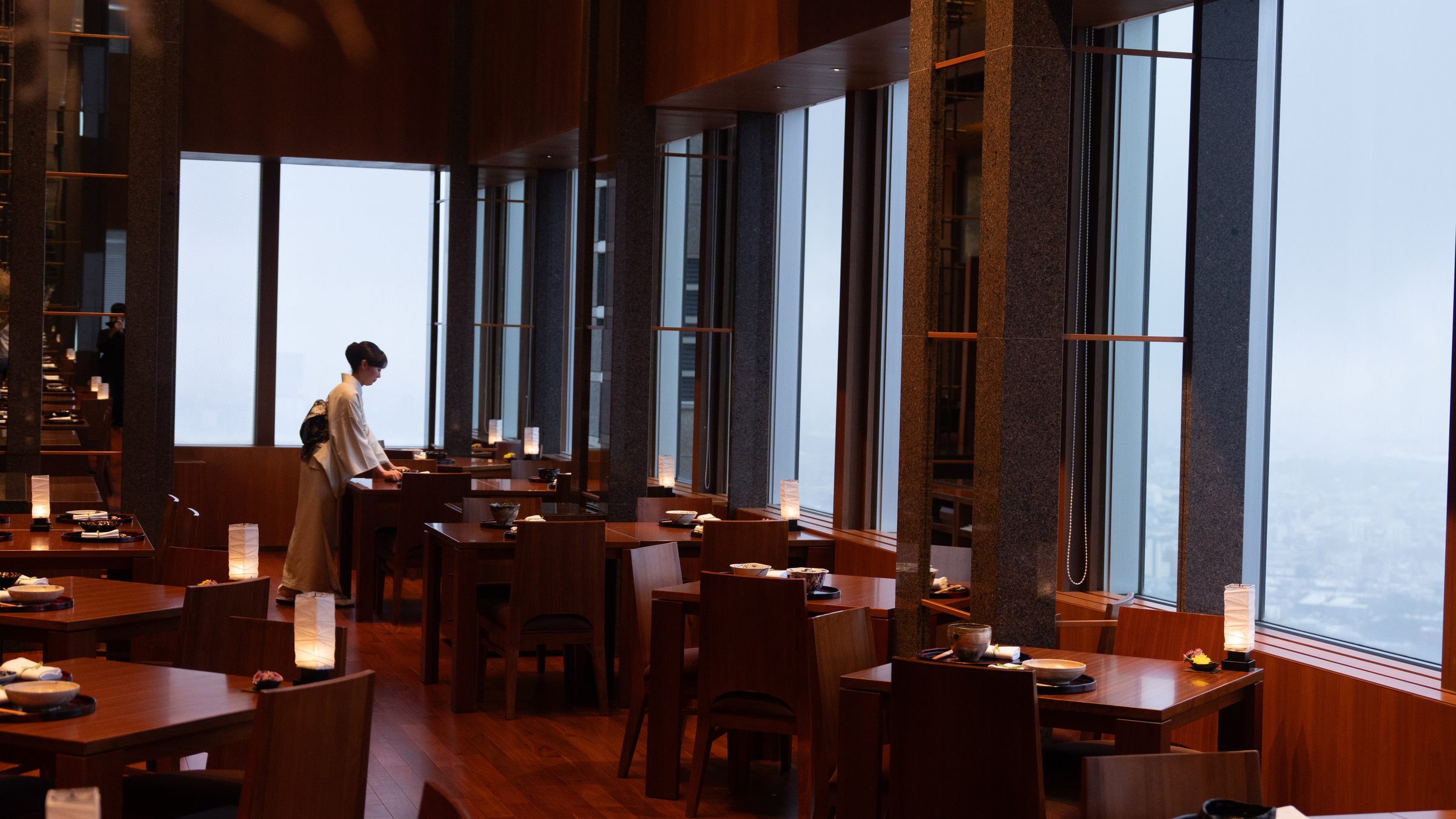
For dinner one night I tried the Kei (景) kaiseki course at Kozue, the hotel's Japanese restaurant. It is a slow, multi-course menu built around the season, the kind of meal where every plate is its own small event.
The pacing is part of the point. Nothing felt rushed, and the presentation on each course made it clear how much thought went into not just the flavors but how everything was plated.
Club on the Park
The pool sits under a glass atrium, high enough above the city that swimming laps starts to feel like a strange, quiet privilege. It is one of those hotel details that photographs well but feels even better in person.
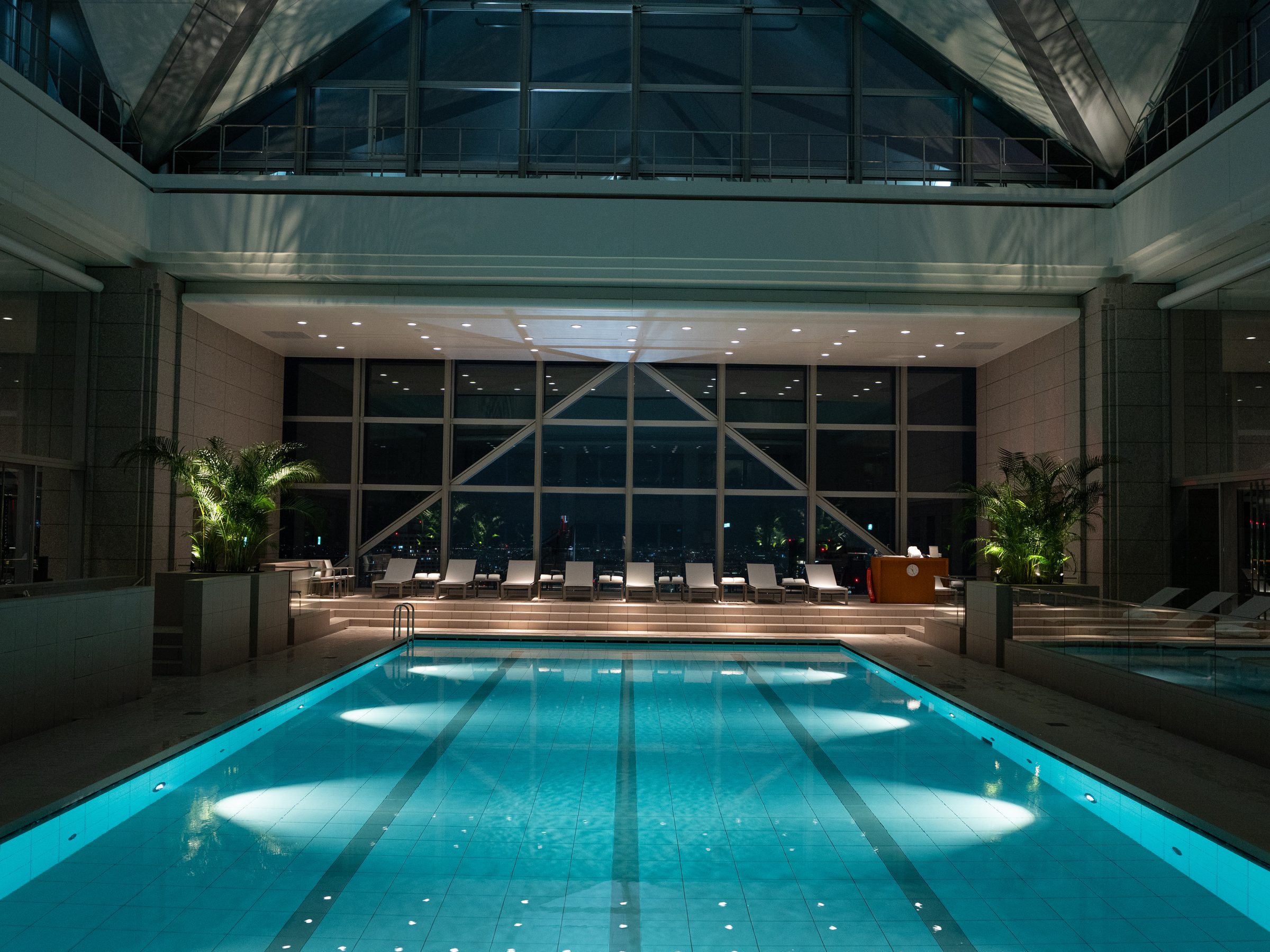
Club on the Park.
The rooftop gym
The gym sits on the rooftop right next to the pool, and it is properly equipped, not just a treadmill and a token rack of dumbbells. There is enough here to get a real workout in before or after a day of walking around the city.
It is split cleanly by what is on either side of the pool: the weights room is to the left, and everything for calisthenics, running, and stretching is laid out to the right.

New York Bar
This is the room from the movie, and it is still doing exactly what it was doing then. Live jazz most nights, city views on every side, and enough dark wood and low light to make you want to stay for one more drink than you planned.
It would be easy for this room to lean entirely on the film reference. It does not need to. It is just a genuinely good bar.

New York Bar.
NY Grill

NY Grill.
One night I had dinner at NY Grill instead, and the steak alone made it worth it. Cooked perfectly to medium rare, served with mash and asparagus, and it came with four different sauces on the side. You really cannot go wrong with a steak like that.

NY Grill.
Service and atmosphere
The service here is quiet rather than performative. Staff seemed to notice what you needed before you asked, and nothing about it felt scripted.
The whole hotel has that same quality. It is calm in a way that feels intentional, closer to a private residence than a hotel lobby, which tracks with how the building was designed in the first place.
Location and practical things
Shinjuku is not the most convenient base if you want to be walking distance from Shibuya or the older parts of the city. The hotel runs a shuttle to Shinjuku Station, and the station itself is about a 10 minute walk, so it is manageable, just not instant.
If your trip is built around Shinjuku, or you do not mind a short train ride to get around, this is a non-issue. If you want to walk everywhere from your hotel, it is worth knowing going in.
Final thoughts
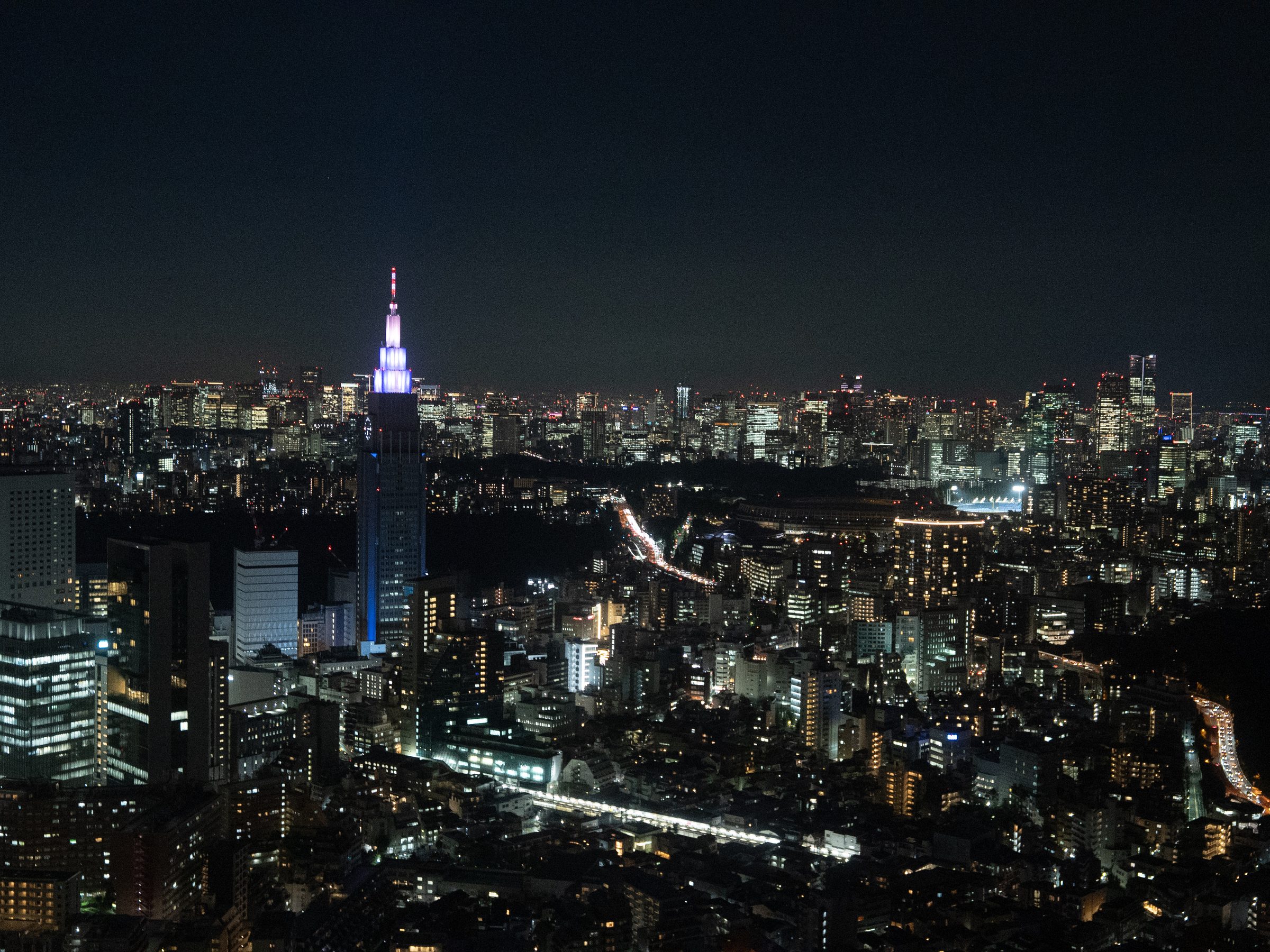
I think Park Hyatt Tokyo makes the most sense for people who care about design and are not looking for a hotel that reinvents itself every few years. It also makes sense if you just want to sit in New York Bar for an evening and understand why people keep coming back to it.
The renovation did what a good renovation should do here. It did not try to be new. It tried to be a better version of what already worked.
Closing remarks.

Keep Reading

Guide
Photographing Holi in India
Three days inside Holi in Barsana and Nandgaon: what happened, how I photographed it, and what I'd want to know before going back.
Dispatch
China: Dunhuang
Ten days deep in the Gobi Desert, chasing the Silk Road through Dunhuang's caves and dunes.

Dispatch
I Took a 14-Hour Soviet Sleeper Train From Romania to Moldova
A 45-minute flight would have been easier. I chose the 14-hour overnight train instead. The one where they lift the entire train off its wheels at the border.
Keep Up With The Archive
New films, places, field notes and the occasional trip worth getting on a plane for.
No spam. Unsubscribe anytime.